Steel Fabrication Spotlight: From Raw Material to Structural Integrity
By Jeff Davis, Director of Steel Operations at FCC Construction
When people look at a completed building, they see the finished product. What most don’t see is the amount of planning, coordination, craftsmanship, and precision that went into the steel structure holding everything together.
In many ways, steel fabrication starts long before the first beam arrives on a jobsite. It begins during the detailing phase, where the entire structure is built digitally in a 3D model. Every connection, every dimension, every piece of steel is carefully reviewed to ensure it aligns with both the structural and architectural intent of the project.
On larger projects, it’s not uncommon for our team to invest more than 1,000 man-hours into detailing before a single piece of steel is even ordered.
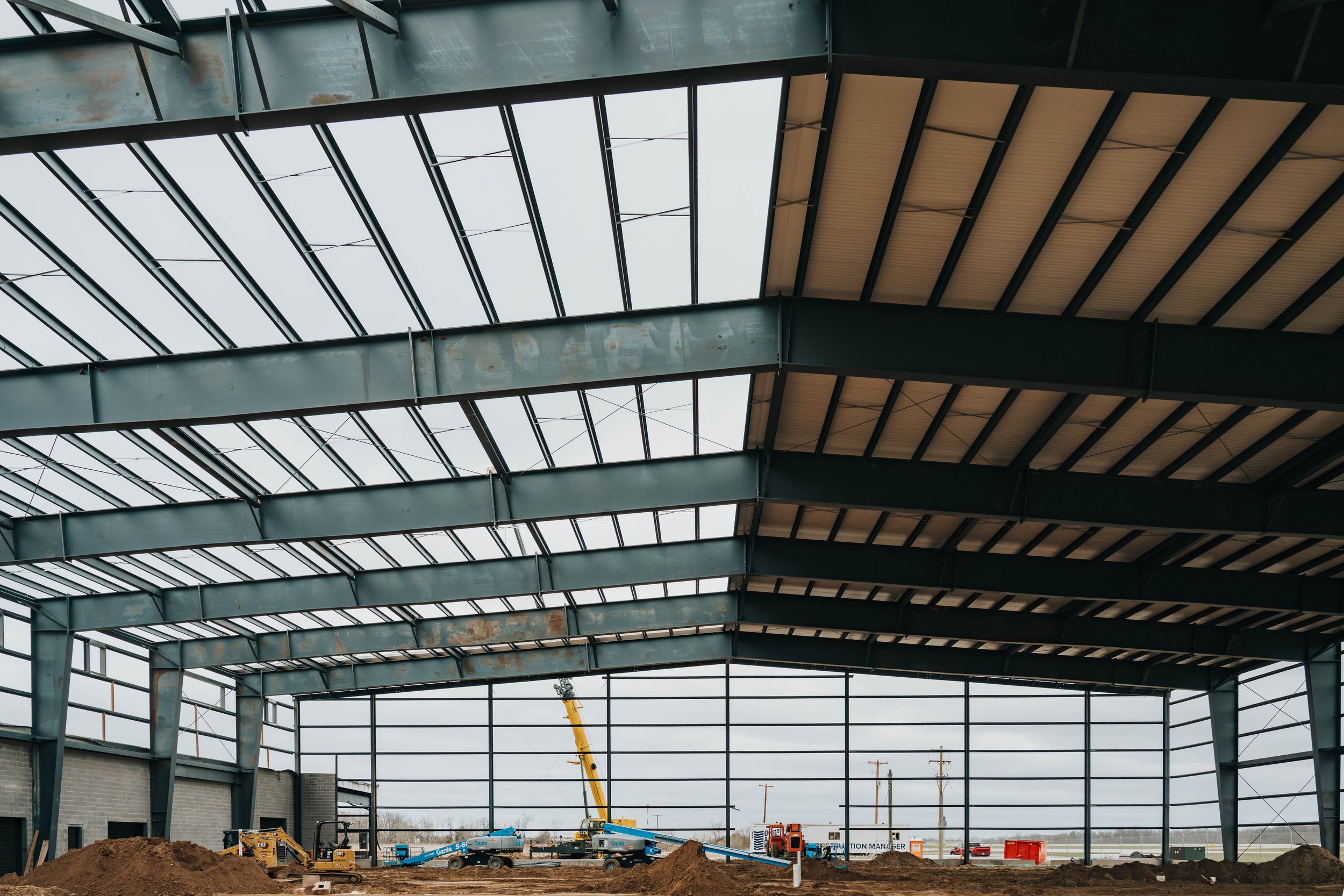
FCC Construction
That level of preparation matters because the steel structure becomes the backbone of the building. Errors at this stage don’t just impact steel. They can create a snowball effect on schedules, budgets, sequencing, and other trades throughout the entire project.
Once detailing is complete, the fabrication process begins.
Raw materials are sourced from suppliers and delivered to FCC, where they’re staged and organized by project in our yard. From there, steel members move through our fabrication shop, where automated equipment cuts, copes, burns holes, and marks each piece with a unique identifier. Sub-components are fabricated separately before our team assembles and welds everything together into the finished structural member.
After fabrication, each piece is reviewed through quality control, coated with primer, and staged for delivery to the field. It’s a process built around precision.
Today’s projects are far more complex than the square-box buildings of the past. We regularly work with skewed connections, radiused members, tight tolerances, and aggressive schedules that require advanced coordination between detailing, fabrication, and erection teams. Fractions of an inch matter.
That’s why quality control begins at the detailing stage and continues throughout fabrication. FCC became an AISC-certified company in 2012 because maintaining high standards is critical to how we operate. Every fabricated member is reviewed before moving on to the next phase. Catching issues early reduces rework, saves time in the field, and helps keep projects moving efficiently.
One of the biggest advantages we offer clients is our ability to self-perform detailing, fabrication, and erection entirely in-house. That level of integration changes everything.
When all three operations work under one roof, communication becomes faster, coordination improves, and decisions can be made in real time. Our fabrication team understands the realities of the field because we’re also the ones erecting the steel. That allows us to approach projects differently than a fabricator who may only be focused on shop efficiency without considering field implications.
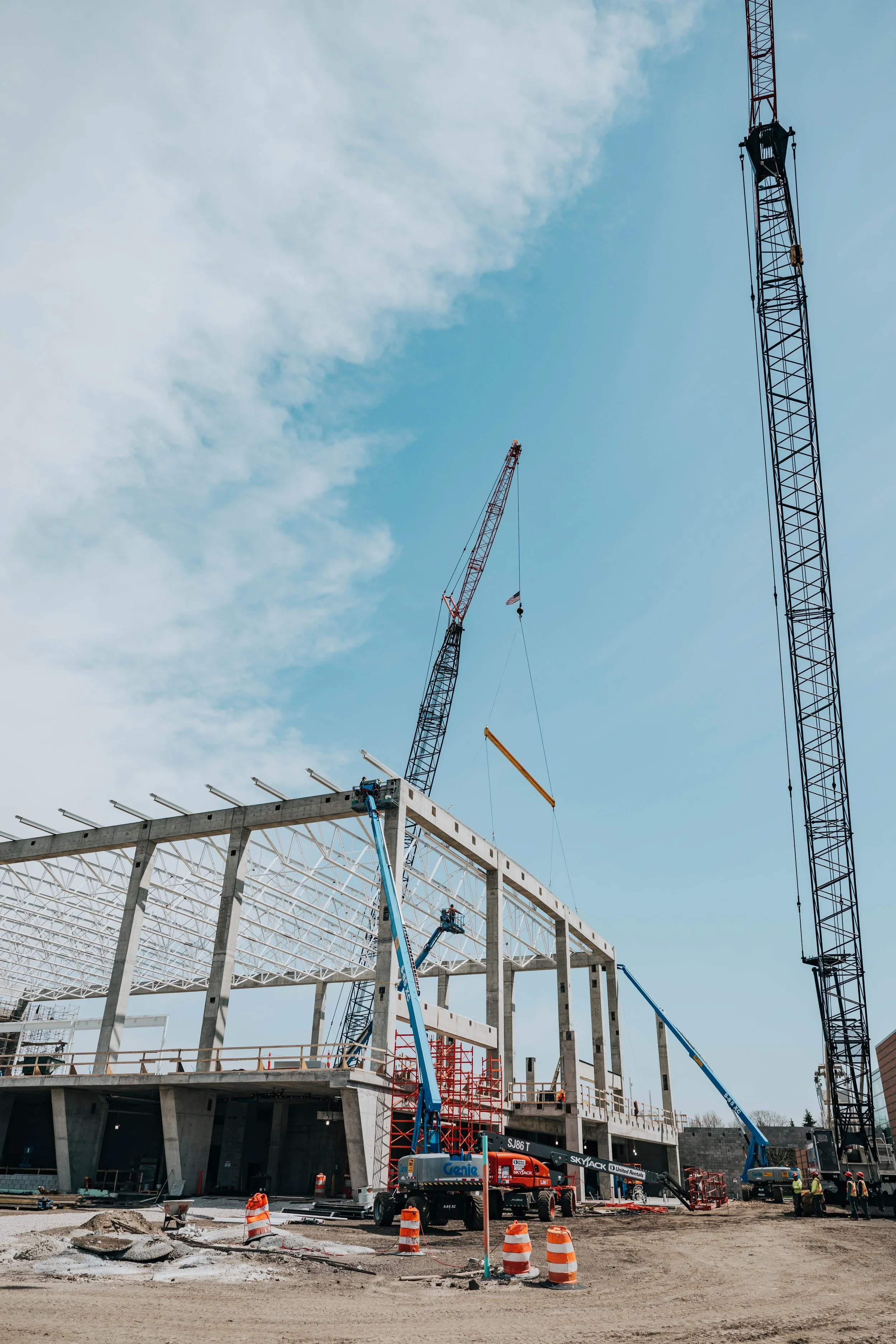
FCC Construction
We’re constantly evaluating what’s best for the project as a whole, not just one phase of it.
That collaboration also creates flexibility, which is becoming increasingly important in today’s construction environment. Material procurement challenges, schedule compression, and design changes have become common across the industry. By controlling the entire steel process internally, we’re able to adapt quickly and keep projects moving forward when changes happen.
Having steel involved early during preconstruction can also create major advantages for owners and design teams. Early procurement planning, sequencing discussions, and fabrication input can help avoid material constraints, reduce risk, and improve overall project efficiency before construction even begins.
Technology has played a major role in advancing our capabilities over the last two decades. FCC has continued investing in equipment, software, and automation both in the shop and in the field to improve efficiency and increase production capacity. Those investments have allowed us to pursue projects today that would have been out of reach years ago.
But even with all the advances in technology, experience still matters.
There are situations on every project that can only be solved through years of hands-on knowledge. Whether it’s determining the safest approach for a critical lift or adjusting sequencing due to field conditions, experience remains one of the most valuable tools we have.
That’s why investing in people is just as important as investing in equipment.
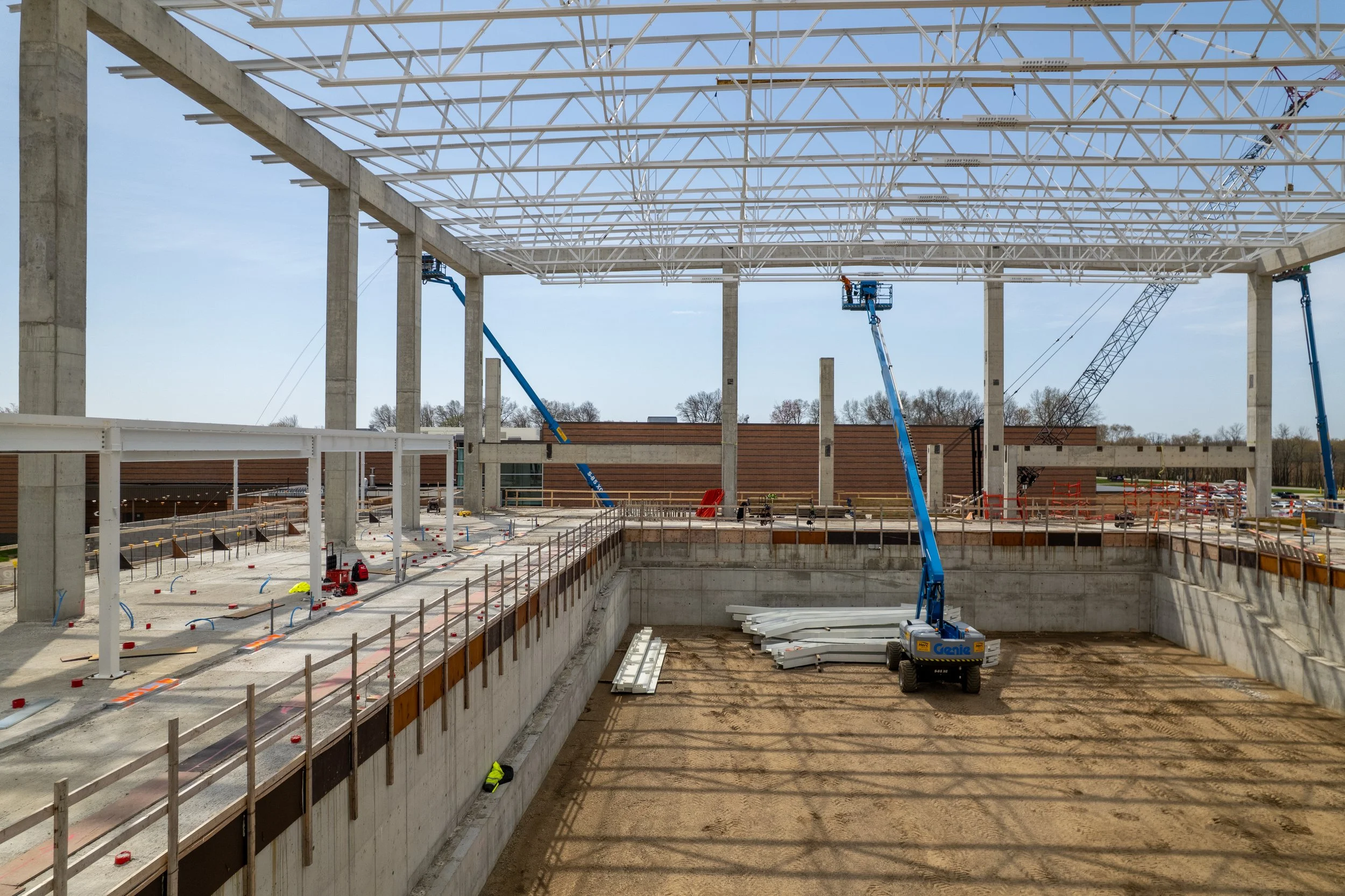
FCC Construction
The growth we’ve experienced at FCC over the last 20 years is something I’m incredibly proud of. When I started, we were a company of roughly 20 to 25 employees doing around $8–10 million in annual revenue. Today, we’ve grown to more than 80 employees and approximately $70 million in revenue.
What’s even more important than the growth itself is the team behind it.
We have employees who have been part of FCC for more than two decades, which is becoming increasingly rare in this industry. That longevity speaks to the culture we’ve built and the people who continue pushing the company forward.
Looking ahead, developing the next generation of talent will be one of the most important factors in our future success. Like many industries, construction is facing a growing loss of skilled experience and labor. Continuing to mentor younger employees and prepare them for leadership roles will be critical to maintaining the advantages we’ve worked hard to create.
At the end of the day, steel fabrication is about far more than producing structural members.
It’s about communication. Planning. Precision. Teamwork. Safety. And having the right people in place who care deeply about the quality of the work they produce. Because before the building ever takes shape above ground, success is already being built behind the scenes.