

Steel Lead Times Have Changed. FCC's Approach is Built For it.
Written by: The FCC Leadership Team
FCC Construction, Inc.
Steel Lead Times Keep Coming Up
Clients with an FCC project underway, or one getting ready to start, have likely heard us bring up steel lead times more than usual this year. We want to walk you through what's happening in plain language. Just as important, we want to share what we're doing about it on your behalf.
This update comes from the three of us who deal with steel every single day: Dave Lucas, Director of Construction; Jeff Davis, Director of Steel Operations; and Byrne Harmon, CEO. We answered the questions we'd want answered as an owner waiting on a project to break ground.
FCC Construction, Inc.
What’s Driving the Shortage
Steel mills across the country can't keep up with demand right now. Two things are happening at the same time. Tariffs have made imported steel harder to count on, and a boom in data center and power infrastructure construction is pulling in a huge share of the domestic supply.
Because of that, mills are now rationing how much steel each customer gets, largely based on how much that customer has bought from them in the past. Even a solid order isn't guaranteed until the mill confirms it, and prices keep climbing as demand stays ahead of supply.
That's the backdrop. Here's what it means for you, straight from the three people at FCC closest to it.
Raising It Early, On Purpose
None of this is new behavior for FCC. It's the same posture we've always taken, applied to a harder market. Byrne Harmon, our CEO, put it simply: "FCC both fabricates and erects steel, so availability directly affects our operations and our clients' schedules. Getting out in front of this is just FCC being proactive. That's what we do, regardless of where lead times stand."
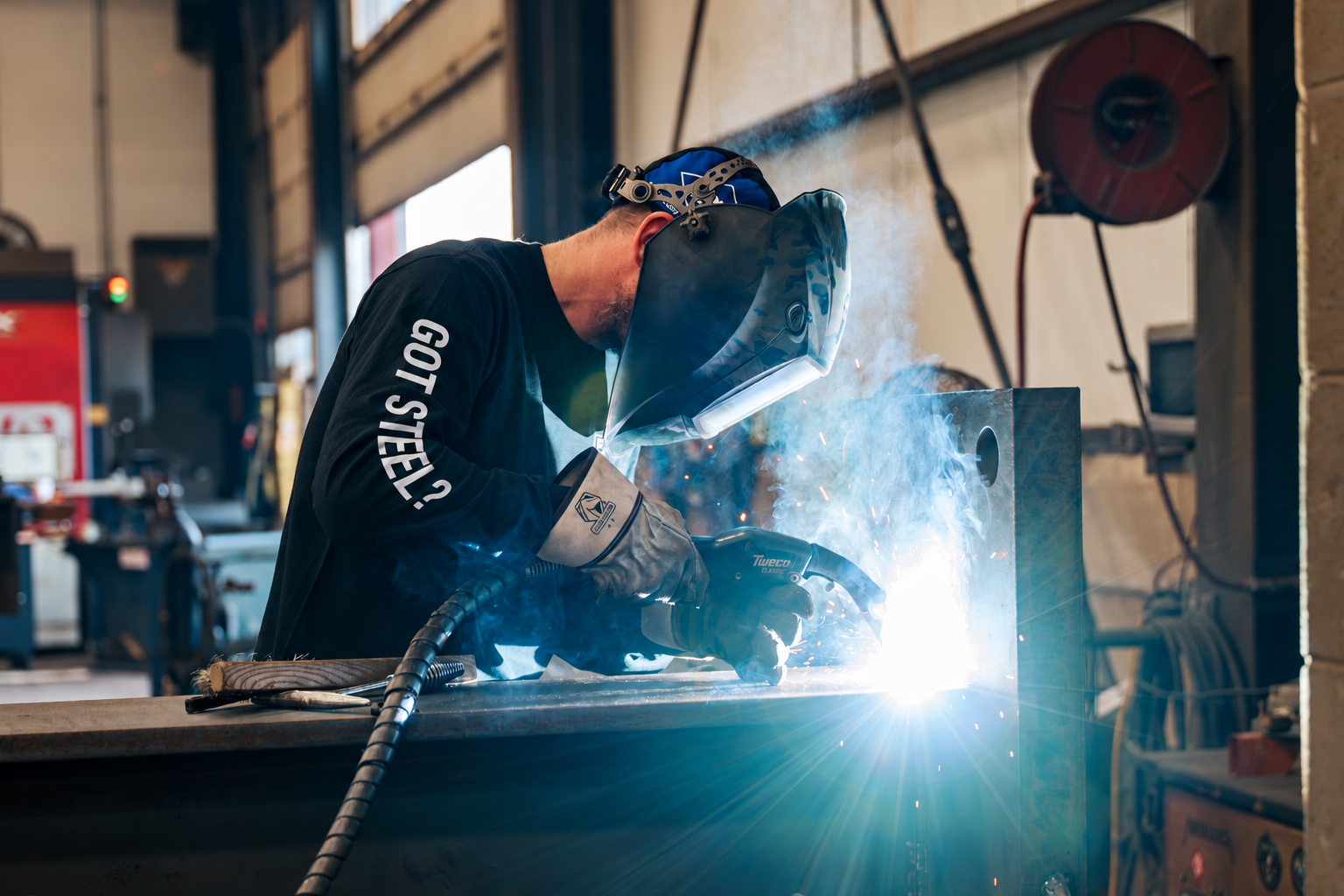
Jeff Davis, our Director of Steel Operations, has watched the pressure build especially since the start of 2026. "The U.S. steel industry is under a lot of pressure from tariffs on imports, combined with the AI and data center boom the country is experiencing," he says. "Before all this, U.S. mills didn't have the capacity to meet demand on their own, and imports filled that gap. Add the tariffs and the data center boom together, and demand now far exceeds supply."
Byrne wanted clients to hear about it early, especially anyone weighing a new project. "A construction project is often the secondary thought behind a client's real goal, whether that's growing the company, adding equipment, or landing a new contract. We want clients to understand the construction market early enough to help them prioritize their own goals, without surprises on cost or schedule down the road."
Pre-Ordering and Designing Around Available Steel
FCC Construction, Inc.
Staying ahead of a market like this comes down to procurement and design working side by side.
On the procurement side, Jeff and his team lean hard on pre-ordering. "Pre-ordering has been critical to staying on top of lead times and scheduling demands," he says. "In some cases, we're able to shape the design itself in ways that work better with current lead times.”
Having a contractor on board with that kind of knowledge can be the difference between holding a schedule and facing a months-long delay."
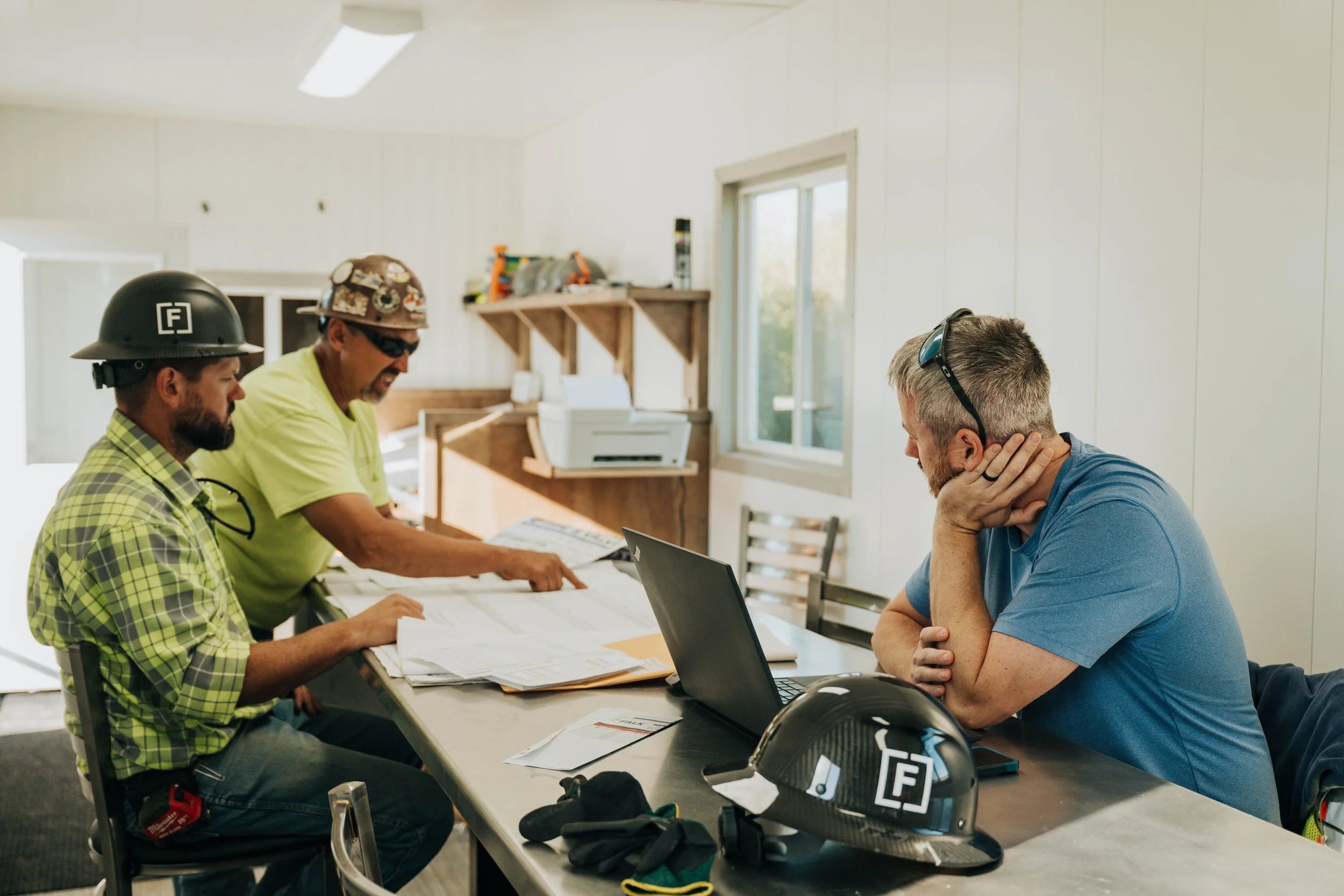
That work starts the moment a project is awarded. FCC's estimating and project management teams sit down with the steel team to flag which materials are likely to run into trouble, then build a procurement plan around them.
It's also why Jeff pays close attention at the bid stage, particularly around liquidated damages. "We often steer away from projects with liquidated damages. They carry risk from factors outside our control, and that's even more true today."
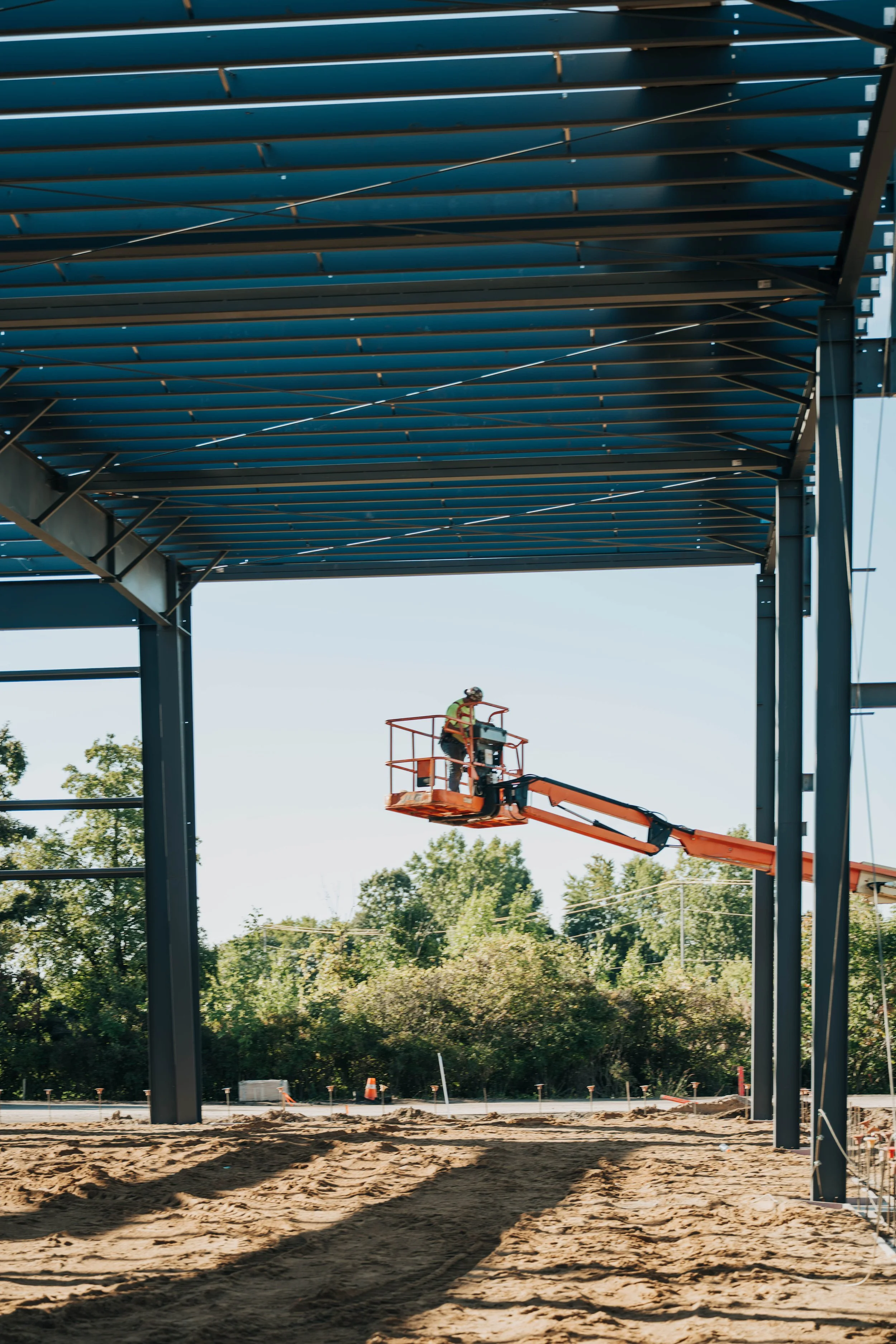
On the design-build side, Dave says the biggest lever is how early structural decisions get made. FCC puts together real cost and schedule numbers for both a conventional steel structure and a pre-engineered metal building. Owners get an honest comparison early, before they're locked into a direction. From there, FCC works directly with the structural engineer on options like column spacing and bracing. In some cases that means swapping joists for beams. Every choice is based on which steel sizes are available.
"Putting priority on structural design early lets us get ahead of potential issues," Dave says. "The more information we have up front on lead times, the more we can shape the design around it, and that cuts down on redesign later. Redesign is what really drives delays and added cost."
What This Looks Like on a Real Project
Even with all that planning, the risk doesn't disappear entirely. Jeff points to a real project on FCC's books right now, set to begin in early Q2 2027, where FCC already has authorization to proceed with material procurement.
Even so, certain large structural members won't arrive until April 2027, which pushes steel onsite about three months past the original January target. A year ago, the same project likely would have avoided that delay entirely.
On the construction side, Dave says the core sequencing on most projects hasn't changed dramatically, since steel still drives the schedule. What has changed is how much other work FCC pulls forward to make good use of the time while steel is in procurement.
On renovations and additions, that can mean phasing the renovation work ahead of the addition, so crews keep making progress while the addition's steel is still on order. On new ground-up projects, it can mean coordinating sitework, including utilities and paving, earlier than usual. That leaves no idle time between finishing the foundation and steel showing up to erect.
"We want owners to know we're ahead of this and looking out for their project," Dave says. "It plays a real role in when that project can actually be delivered, and we'd rather have that conversation early than explain a delay later."
FCC Construction, Inc.
“Can’t We Use Another Supplier?”
It's a fair question, and Byrne hears it often. "The steel industry is dealing with long lead times across the board. Other fabricators are facing the same backlog.
Moving the order somewhere else doesn't make the steel appear any sooner. The real value isn't just having a supplier, it's having the right team in place, making procurement decisions early enough that real alternatives still exist."
Part of what makes FCC's position different, Byrne says, is that the steel side and the GC side sit in the same office, working with the same project managers and estimators. Clients get real-time information straight from the people doing the work. "We've always been a team-first contractor, and it's our job to help clients and engineers work through logistical challenges like this one.
There's a saying around our office: challenges and issues are just another opportunity for solutions."
Byrne wants every client to walk away with one message: "We don't know exactly what the market will do, but we know how to help prepare for it. This isn't a showstopper. Construction is going to keep moving. It's the team a client chooses to partner with that ultimately drives the success of their project, and we want every client, big project or small, to know we're ready for what's ahead."
What does this mean for you in 2027?
Owners planning work for late 2026 or 2027 gain the most by bringing their contractor into the conversation earlier than in the past. Talk through structural specifications sooner and build extra time into the schedule around steel-heavy phases.
Steel procurement belongs in the design conversation from the start.
The steel market won't sort itself out soon. FCC fabricates and erects its own steel and tracks mill behavior directly. Procurement is part of our design process from day one. That's how we keep projects moving, and it's exactly why we wanted you to hear this directly from us.
Reach out about any work coming up - the earlier we talk, the more options we'll have.